
Accelerating Industry Innovation Processes
Terri Snyder, EVP of Marketing, Checkers
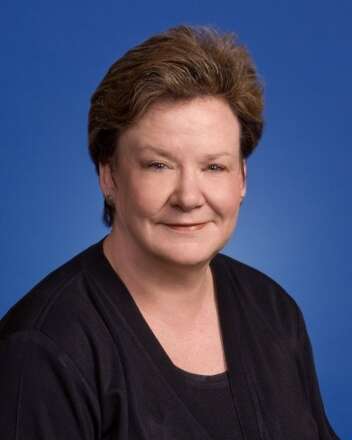 With experience at several quick serve restaurant chains throughout her career, Terri Snyder stepped into her position at Checkers as part of a new leadership team aiming to accelerate innovation. Aiming to attract fast food users who eat out several times a week and have strong knowledge of the category, Terri and her team took standard stage gate processes and kicked them up a notch. With the current process, Checkers has the ability to identify unmet consumer needs, develop solutions and launch product tests in only three months.
4 Questions with Terri Snyder
1. How does your team generate new ideas?
We have a very fast process for generating specific ideas and products. We work with suppliers, partners and chefs from around the country. We bring them in and make sure they understand the issue beforehand. The session runs for two days. Half of the first day is strategy download, which means getting everyone together on the opportunity we’re tackling and what we think the veins of innovation will come from. In the afternoon, we generate ideas in 2-3 brainstorming sessions. We have thousands of ideas on the wall and try to narrow our focus on the ones we think consumers could enjoy and we could possibly execute. That night, we go out and buy the product that will make those products. The following day, the chefs do a chef off where they take the top 20 ideas and develop those products. They iterate and build on and set up 20 ideas at the end of that session that are viable and thought through. Marketing people are also involved at this stage to think about positioning and the best way to talk about these new potential products. We have a consumer panel of our customer base and we do a concept screen next. We develop the product and show it to the consumers to think about fit and taste and then we go from there. With this process, we can identify an unmet need and get a product to test market in three months. That’s a very fast cycle.
We’ve implemented this process over the last three years. I came from Dominos, Pizza Hut and TGIF and all those companies use stage gate processes as well. We’ve accelerated that process. We’ve made it deep and rich, but much faster.
2. What's the biggest challenge you face in innovation at Checkers?
To really understand and define the consumer need is the biggest challenge. What you come up with needs to be something that works for the consumer. The tough part is getting the insight about the unmet or under met need; that’s always a challenge. Ethnography is powerful. Focus groups have always been an interesting way to learn too, but ethnography is a much richer, stronger way to understand the consumer. It takes talking to consumers who are in a position where they are willing to talk and share. Consumers telling you what they need is one thing, but you can also watch them and draw something from their behavior and ask could we do something special around this opportunity? Insight is always the tough part. I don’t think there’s any shortage of ideas; there’s a shortage of insight.
3. Do you have any rituals you use to reset your team to be creative?
We do two things. We go to the market and spend time immersed with the brightest chefs to find out how they are thinking and what ingredients they are using. Getting out of the office in ways like this is important.
The second thing we do is every time we bring new people into the process (new chefs, marketing experts) there’s a cool spark that happens. When the same people are in the room over and over, attacking the same problem, that's when we get stagnate. We like to bring in new energy, new thinking, new people. We think about who are we reading about. Who have we met at conferences? Who can bring fresh new thinking? Who was in the room and who can be in the room?
4. How do you create a culture of innovation?
It starts at the top. We have a CEO and President who is open to change. Without that, frankly, I don’t think you can get very far. It comes down to how the leader leads and ours is very open. He knows we need enormous innovation and he has a real openness to that.
You need to commit resources financially and time wise and your best people have to have the money to drive the process. It has to be a priority. When the foundational work involving commitment of people, resources and the organization happens, people want to be innovative. Innovation is what sparks them and excites them. If you can get the organization and commitment right, you’re fine.
Featured Articles
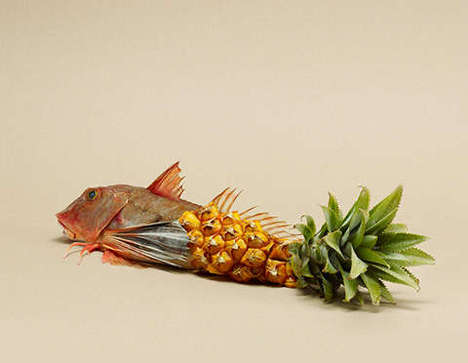
Luxurious Foodtography
Food is being adopted as a visual, not culinary, feast

Dipped Deliciousness
Food products are given an aesthetic and culinary shock value through dips

Pseudo Domestic
Recipes using ready-made ingredients make for seemingly expert cuisine skills
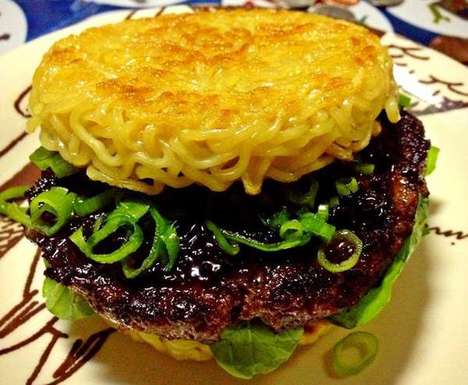
Ramen Obsession
The instant noodle is taking on new, unabashedly unhealthy forms
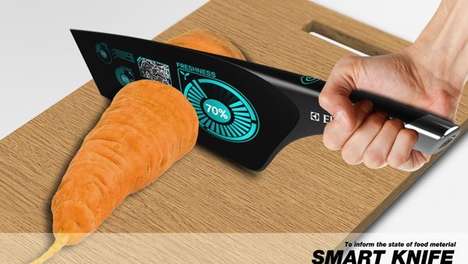
Nutrient Analysis
Taking control of food quality, consumers are turning to detection technology
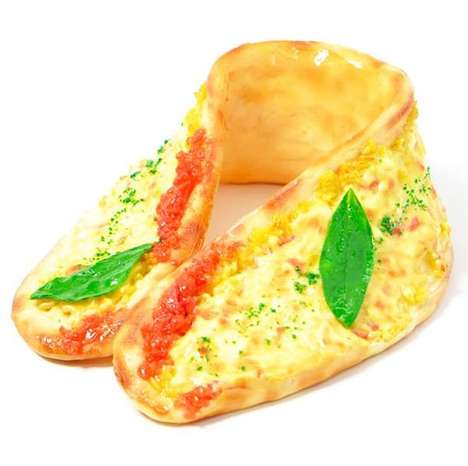
Junk Food Destigmatized
Formerly seen as shameful vices, junk food is receiving a prideful boost
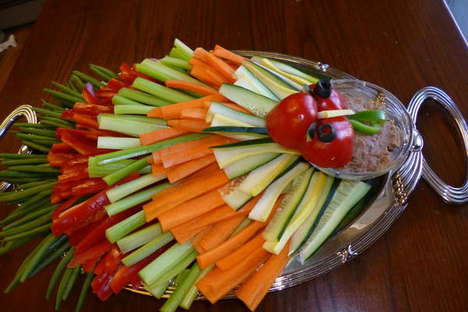
Veggie Ubiquity
A healthful addition, vegetables are being integrated to create unexpected recipes
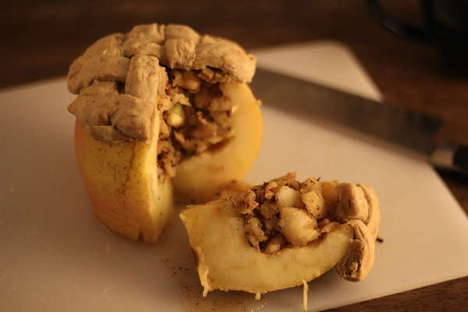
Repurposed Edible
Frugal foodies are using every part of their edibles
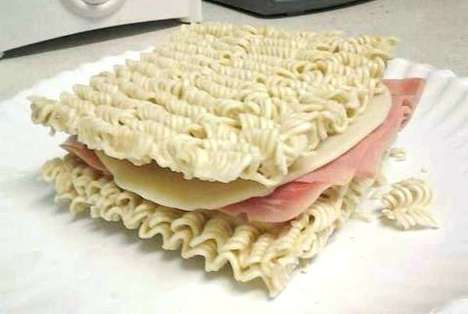
Condensed Cuisine
Foods that condense entire meals into smaller forms offer more convenience